Why Phantom and Solana Make Wallet Extensions Feel Like Home (and What to Watch Out For)
Wednesday, September 17th, 2025, 4:04 am
Kalpristha
Okay, so check this out—using a Solana wallet in your browser can feel almost effortless. Wow! I’ve been poking at browser extensions for crypto for years, and Phantom stands out in ways that surprised me. Initially I thought wallet extensions would always be clunky, but then I realized the UX trade-offs many teams keep getting right. My instinct said the experience would be messy, though actually, wait—let me rephrase that: the first impressions are often messy, but the right features hide that mess well.
Really? Yes. The speed difference between Solana-based interactions and other chains is noticeable. Medium-sentence rhythm is what users notice first: actions complete, confirmations pop up, and you think “that was quick.” On the other hand, wallets are gateways, not destinations—so security and ergonomics both need to be top-tier. Here’s the thing. Security is subtle and sometimes boring, but it matters more than flashy UI bits.
Whoa! Let me be blunt: extensions have a trust problem. Seriously? You bet. When an extension asks to connect to a site, a user often clicks before reading. Hmm… I do it too sometimes. This isn’t just human laziness; it’s interface design that nudges you. So designers and devs have a duty to minimize risk by making permissions clear, reversible, and transparent.
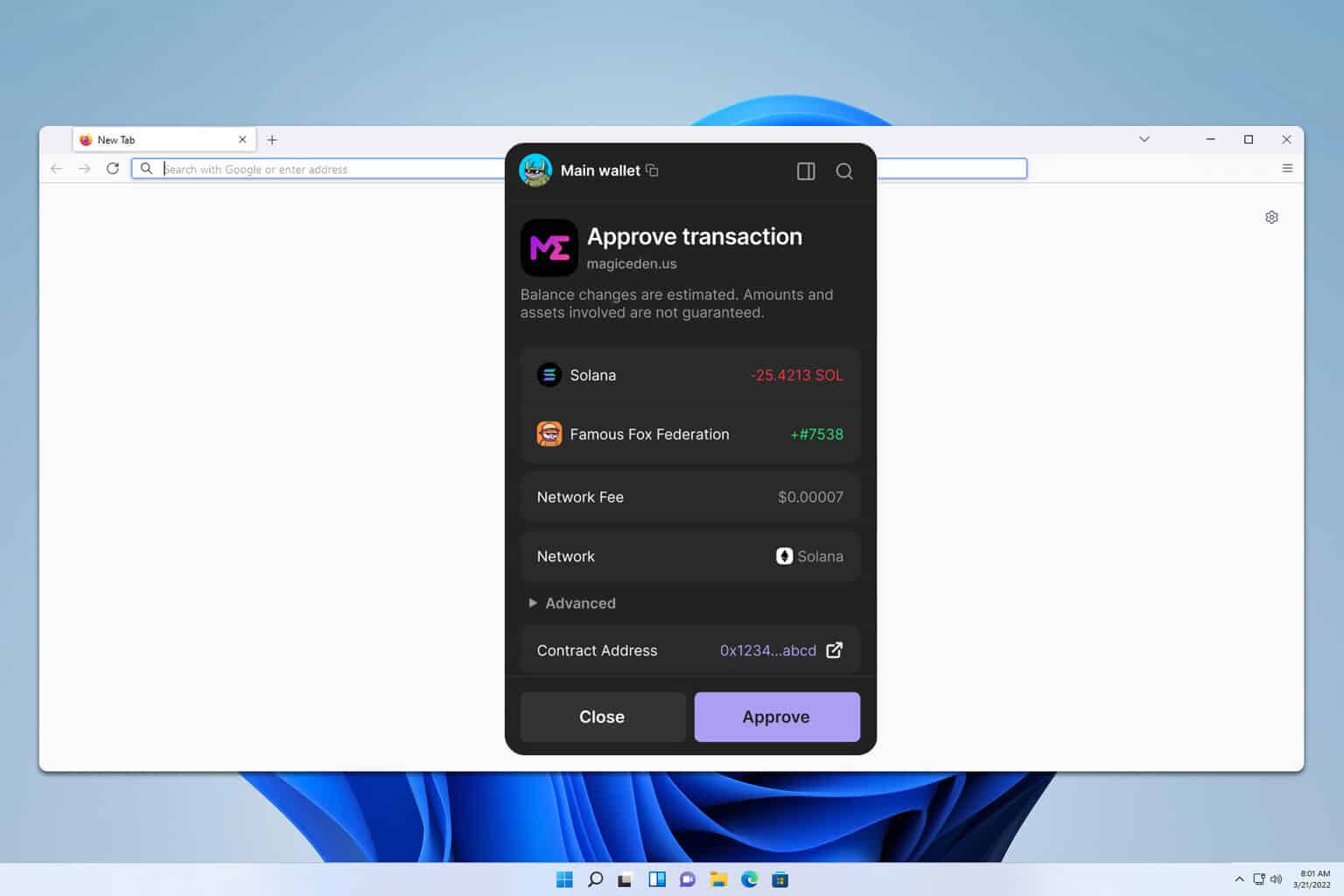
What Phantom Gets Right (and why that matters)
Phantom nails onboarding, which is huge for mainstream adoption. Short instructions and progressive disclosure let new folks set up without feeling overwhelmed. The extension balances minimalism and power, letting advanced users access token management, NFTs, staking, and dApp interactions from one place. Initially I thought adding features would bloat the UI, but Phantom’s team manages to keep things tidy while adding tools. On one hand, that’s impressive—though actually, some choices still feel like compromises between discoverability and simplicity.
Here’s an example I use a lot: sending SOL to a friend is three clicks, not ten. That is very very important for real-world usability. And the signature request flows show clear fees and timelines, which reduces surprise. My experience: the fewer surprises, the more trust you build. (oh, and by the way…) the dev tools for connecting to dApps are straightforward enough that I actually debugged a mystery transaction in a pinch, which surprised me.
Phantom integrates with hardware wallets too, so you can keep keys offline while enjoying extension convenience. That hybrid model is smart for people who want extra security without losing flow. Something felt off about many other wallets that either insist you sacrifice UX or security. Phantom tries to give both, though of course no system is perfect and there are trade-offs to consider.
How to Install and Where to Get It
If you want the extension, go for the official source. I recommend grabbing the phantom wallet download extension directly and verifying the store listing before installing. Small tip: confirm the extension ID in your browser’s extension details if you’re nervous—it’s an extra step that avoids impostors. My rule of thumb: if a download feels hurried or sketchy, walk away and double-check. That advice has saved me from tripping up more than once.
Short pause. Seriously? Yes. Browser stores sometimes host clones or look-alikes, and phishing is very real. The best practice is to pin the extension after install and to never expose your seed phrase. Treat the seed like cash in your wallet. If you put it on a cloud note or in email, expect trouble; I’m biased, but that part bugs me.
Oh, and remember to back up your recovery phrase in multiple secure ways, and if you use hardware, register it early. My instinct said that people skip these steps until they need them, which is sadly true—I’ve watched folks scramble during software updates or browser reinstallations. Don’t be one of them.
Day-to-Day Tips: Use It Like a Pro (without being paranoid)
Keep the extension updated. That sounds obvious, but updates patch vulnerabilities and improve compatibility. Also, limit which sites you approve for automatic connection. I like to connect only when actively using a dApp, then disconnect after finishing. This habit reduces attack surface. Initially I tried to be permissive for convenience, but then I tightened my workflow when a stranger transaction pop-up made my heart skip.
Short, practical checklist: pin Phantom in your toolbar, enable “Auto Lock” after a short inactivity, and avoid using public networks for signing sensitive transactions. Tools help, but good habits matter more. Seriously? Absolutely. The best security is anticipation; the second best is recovery.
One small but useful trick: label your accounts. That makes juggling multiple wallets less confusing, especially when NFTs and token accounts multiply. I once sent a small token from the wrong account—ugh—because names were generic. Somethin’ as simple as a label saved me time and anxiety thereafter.
Common Gotchas and How to Avoid Them
Gasless or low-fee attributes on Solana make transactions cheap, but cheap sometimes breeds carelessness. Watch out for airdrop scams and fake token mints that request signatures for dubious “approvals.” If a signature asks to approve unlimited token access, pause. Really pause. Check the root of the request and the dApp’s reputation. My gut feeling has been right more often than not in these cases.
Another issue: cross-extension interference can happen if you run multiple wallets. Conflicts are rare, but they are real enough to be frustrating. If somethin’ behaves oddly, try disabling other wallet extensions temporarily and testing again. Often the problem disappears—if not, document the steps and report to support.
Also, browser profile management helps. Use a dedicated browser profile for your crypto activity to reduce accidental exposures from extensions or websites you use for everyday browsing. That separation is simple and it scales when your portfolio grows.
Frequently Asked Questions
Is Phantom safe to use as a daily wallet?
Yes, it can be safe when you follow standard practices: install from the official source, back up your recovery phrase offline, enable auto-lock, and verify dApp requests. On the other hand, no wallet is perfectly immune to user error, so treat it like a tool that requires attention rather than a magic box.
Should I use Phantom on multiple devices?
Sure—if you do it carefully. Use hardware wallets for high-value cold storage and Phantom for everyday interactions, or use multiple browser profiles with distinct security postures. If you sync extensions across devices, review permissions and keep recovery phrases isolated and offline.
How do I recover from a lost browser profile or extension corruption?
If you lose access, reinstall Phantom and restore from your recovery phrase in a secure environment. If you suspect seed compromise, move funds immediately to a new wallet generated in a known-secure environment. That protocol is basic but effective, and many people delay it until it’s too late.
I’ll be honest: engaging with crypto via browser extensions is a learning curve, and you will make tiny mistakes. Some will cost nothing; some might sting. What you can control is your workflow and your caution level. On one hand, Phantom and Solana offer speed and a pleasant UX; on the other, they demand respect for the basics of security. I’m not 100% sure we’ll ever remove all friction, but for now this combination feels like one of the best bets for mainstream-friendly crypto interaction.
So try it. Start small. Label accounts, back up seeds offline, and keep your head up when signing transactions—because convenience without care is a fast lane to regret. Hmm… it feels weird to be both enthusiastic and cautious at the same time, but that mix is exactly the right stance here.