Why I Trust the Tangem Card: A Short Guide to NFC Hardware Wallets
Monday, April 21st, 2025, 1:29 am
Kalpristha
Whoa, really cool device! It fits in my wallet like a credit card. Using NFC makes setup fast and almost frictionless on phones. At first it seemed like a gimmick, but after weeks of daily use I realized the Tap-and-go flow actually reduces error compared with typing long seed phrases into possibly compromised devices. I’m biased toward simple security that actually just works every day, somethin’.
Seriously, it’s slick. The Tangem card stores private keys inside secure hardware elements. You tap your phone, sign a transaction, and the key never leaves the chip. Because the key material is provisioned on a tamper-resistant chip with no export function and because the card requires physical proximity for each signature, remote attack vectors are drastically reduced compared to hot wallets and many other hardware setups. That physical requirement is surprisingly simple and very powerful for everyday security.
Hmm… okay, I’m intrigued. Initially I thought the card couldn’t compete with seed phrases for flexibility. But then I remembered frequent user errors with mnemonic backups. On one hand seed phrases offer broad compatibility and recoverability across devices, though actually when you simulate a real loss the recovery process can be daunting for non-technical people who panic or type things incorrectly. Tangem trades a bit of that flexibility for ease and safety.
Wow, genuinely useful. My instinct said the physical-card model would feel limiting over time. Actually, wait—let me rephrase: it’s limiting mainly for power users. For most people who want a durable, low-friction way to hold crypto for savings, travel, or occasional trading the Tangem approach makes sense because it reduces cognitive load, eliminates insecure screen-based backups, and leverages ubiquitous NFC on phones. It’s not flawless, but it’s pragmatic security that I use regularly.
Seriously, yes it is. The card’s tamper-resistant element resists physical and logical attacks. Manufacturers program each card with unique keys and lock them so exports are impossible. Still, a determined attacker with physical possession and advanced lab equipment might be able to extract secrets from hardware that isn’t properly shielded, which is why supply chain, manufacturing provenance, and independent audits matter a great deal when you choose a hardware wallet. Tangem has published audits and uses secure elements from reputable vendors, which is very very reassuring.
I’ll be honest. This part bugs me: recovery options are constrained compared to multisig setups, and somethin’ about it feels incomplete. If you require complex setups for enterprise or high-value custody, Tangem alone might not suffice. However, combining Tangem cards with institutional workflows, or using them as one factor in a multisig arrangement, can yield very strong guarantees while preserving that user-friendly NFC experience which accelerates adoption among less technical users. Think of it as part of a layered defense.
Wow, honestly useful. I once carried my Tangem card through TSA and forgot to remove it. No emails, no cloud backups, just a tiny card that works with my phone. When I lost a different hardware wallet years ago and had to reconcile missing funds, the stress and time spent recovering access taught me that trustable, low-friction devices reduce user mistakes, which ultimately helps preserve assets for ordinary folks who don’t want to live like engineers. Overall it’s a pragmatic tradeoff that personally comforts me for daily use.
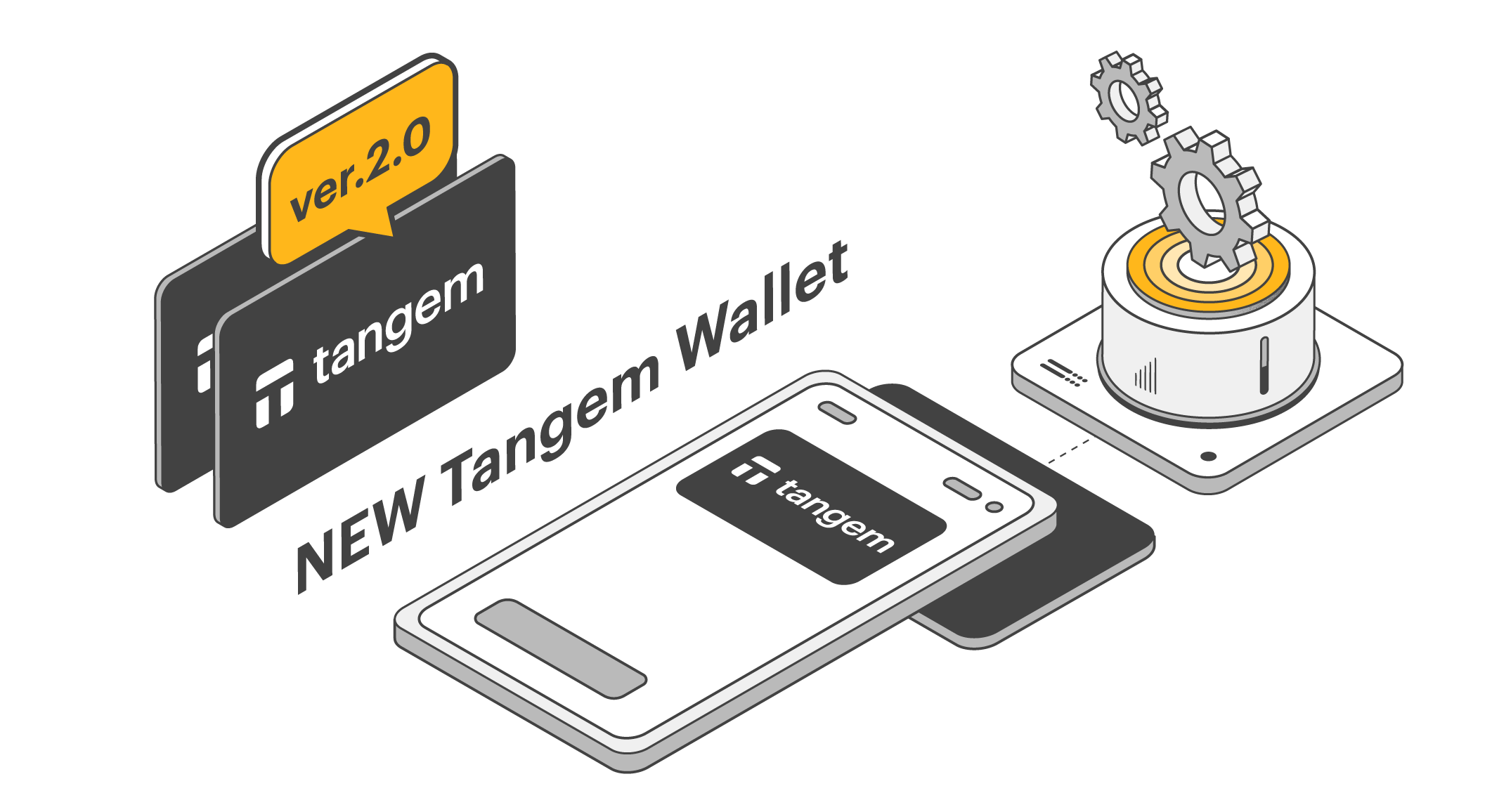
Something felt off about… A few things still deserve caution, like lost-card policies and counterfeit risks. Always verify purchase sources and consider buy-back or guarantee programs from reputable sellers. Also, user education matters: people must understand that a physical card is still a single point of loss if they carelessly store it in a backpack or leave it at a coffee shop, so combining safe storage habits with device protections is essential. That said, recovery to another card can be straightforward when done correctly.
Hmm… food for thought. If you’re curious, I recommend reading user guides and audits first. Try the card with a low-value account before committing large sums. For hands-on folks, integrating Tangem into a broader plan—cold storage for long-term holdings, multisig for shared custody, and hardware keys for spending—creates a balanced approach that reduces single points of failure while staying usable. I still have questions about long-term archival strategies, but overall I’m optimistic.
How to learn more
For official details, provisioning guides, and compatibility notes check this resource: https://sites.google.com/cryptowalletextensionus.com/tangem-wallet/
FAQ
Okay, so check this out—
Can I recover my funds if I lose the card? Short answer: yes, but only when you have properly provisioned redundancy or backup options beforehand.
How secure is NFC compared with USB and Bluetooth options in practice for signing transactions?
NFC itself is a short-range protocol which limits remote attacks, but the overall security depends heavily on secure elements, implementation details, and the device’s supply chain and software environment, so do your due diligence.